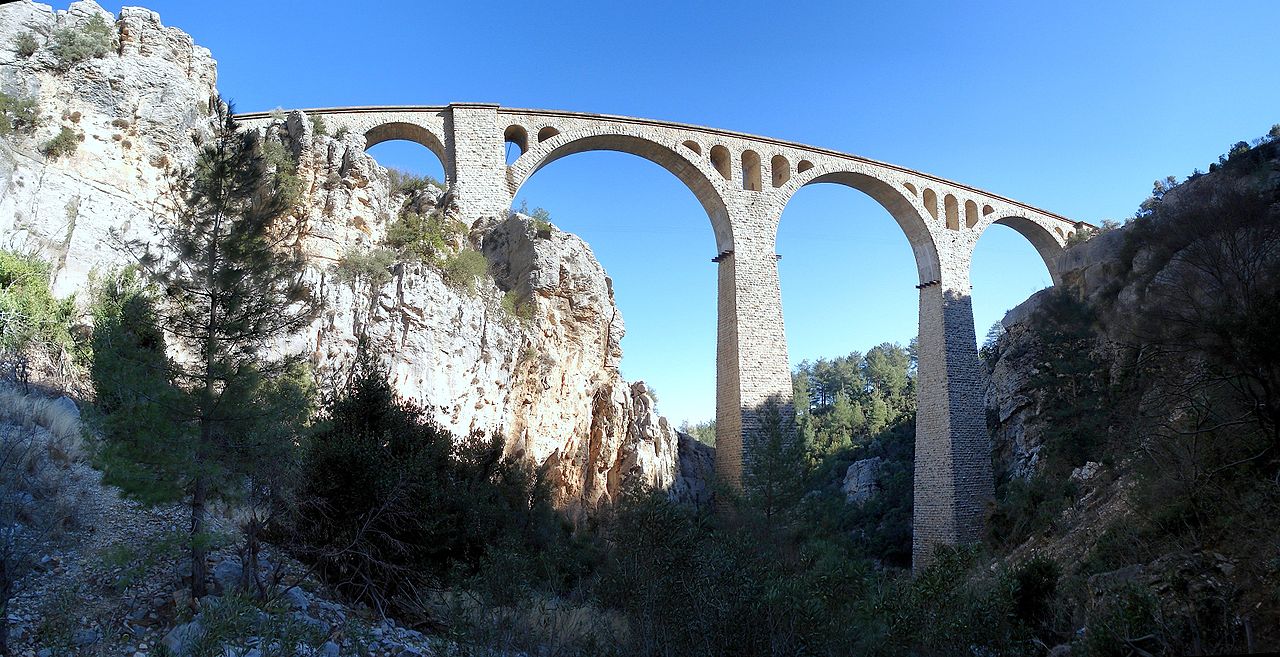
Adana is the culinary capital of southern Turkey — birthplace of the Adana kebab, a long minced-lamb skewer seasoned with red pepper and grilled over charcoal, served with flatbread, sumac onion and pomegranate molasses. The city's restaurants are pilgrimage stops for kebab enthusiasts.
Beyond the table, the ancient Taşköprü (Stone Bridge) over the Seyhan River has spanned the water for 2,000 years; the Çukurova archaeological landscape hides the Cilician castles of Anavarza and Yılankale, and the Seyhan dam lake offers water sports at the city's edge.
Known for: Adana kebab · Taşköprü Roman bridge · Anavarza ancient city · Seyhan Dam lake · Çukurova plains
- Region
- Mediterranean
- Famous for
- Adana kebab & Taşköprü
- Best seasons
- Mar–May, Oct–Nov
- River
- Seyhan
Adana on the live map
Explore Adana and all of Turkey on the live intelligence map — tap a city node to fly in.
What Adana is known for
The old quarter around the Grand Bazaar (Kapalı Çarşı) and the Ulu Cami are the historic core; the Sabancı Merkez Mosque — one of the largest in the Middle East — dominates the riverside skyline. Day trips reach the Hellenistic-Roman city of Anavarza, the well-preserved castle of Yılankale and the waterfall at Kapıkaya.
- Adana kebab — the city's world-famous long minced-meat skewer.
- Taşköprü — 2,000-year-old Roman stone bridge over the Seyhan.
- Sabancı Merkez Mosque — one of the largest mosques in the Middle East.
- Ancient Anavarza (Anazarbus) — Cilician Kingdom citadel.
Getting around
Adana has an international airport. The city centre is compact; ancient sites and castles in the province need a car. Mersin is 70 km west on the fast D817.
On the platform
Adana is joining Türkiye Gez as we expand into a Turkey-wide city intelligence platform. This guide is the launch foundation — live transport data, an interactive map and deeper neighborhood content roll out city by city, on the same architecture that powers Istanbul today.
Frequently asked questions
About Adana
2The Adana kebab (a long minced-lamb skewer — the city's defining dish), the ancient Taşköprü Roman bridge and the surrounding Cilician plain.
Spring (March–May) and autumn (October–November); summers in the Çukurova plain are extremely hot and humid.