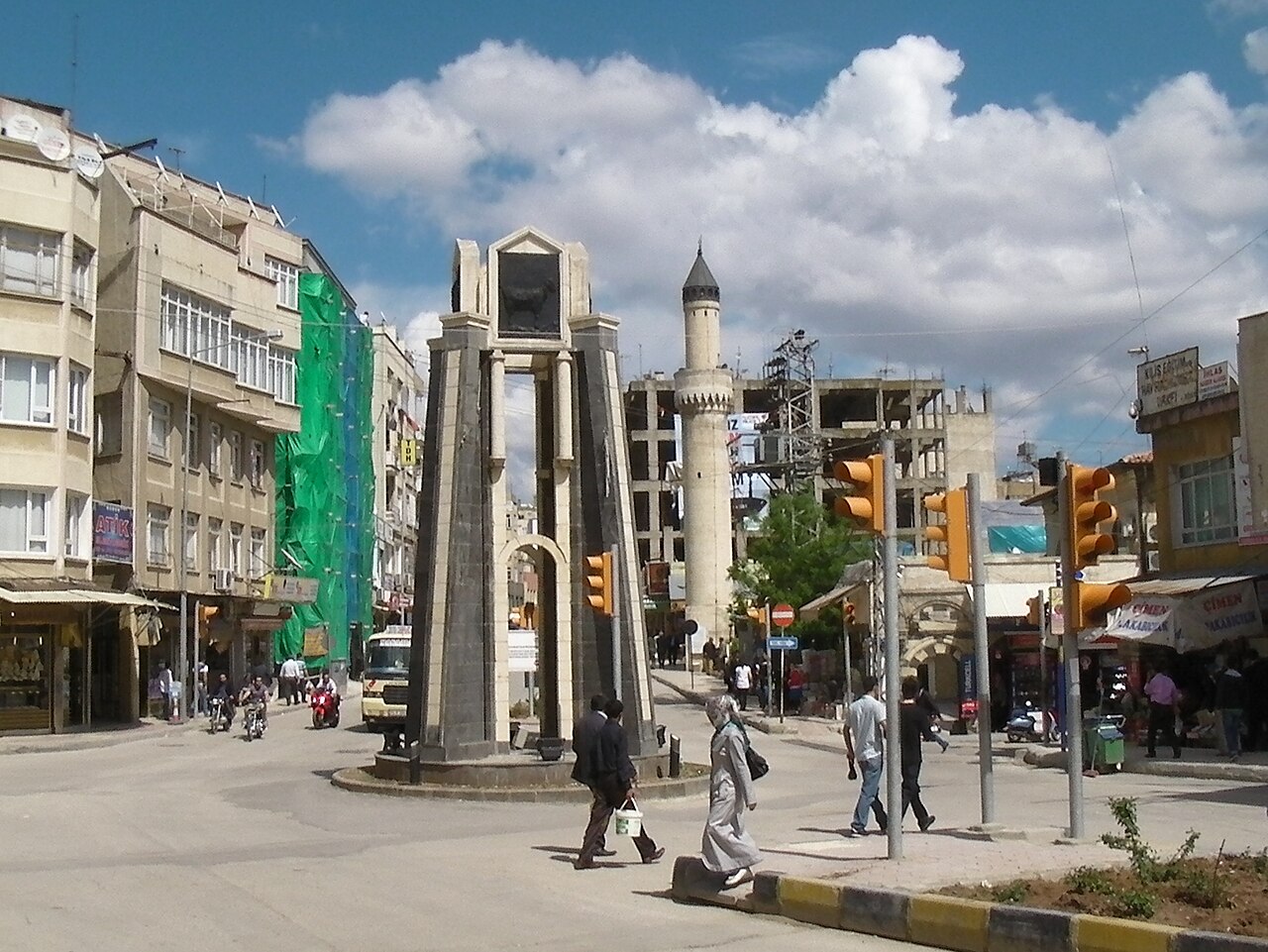
Kilis is one of Turkey's smallest provinces — a narrow strip of olive groves and limestone hills along the Syrian border, south of Gaziantep. It has been the site of extraordinary olive oil production since antiquity; Kilis zeytinyağı (olive oil) is a protected geographical indication.
Ravanda Castle, a 12th-century Crusader-era fortress on a hilltop above the city, is the main historic sight. Yesemek, 90 km west (shared with Gaziantep), is an extraordinary open-air Hittite sculpture workshop — a hillside scattered with 300 unfinished stone sphinxes abandoned 3,300 years ago.
Known for: Kilis olive oil · Ravanda Castle · Yesemek open-air museum · Syrian border culture · Traditional food
- Region
- Southeastern Anatolia
- Famous for
- Olive oil & Ravanda Castle
- Best seasons
- Mar–May, Sep–Nov
- Border
- Syria
Kilis on the live map
Explore Kilis and all of Turkey on the live intelligence map — tap a city node to fly in.
What Kilis is known for
Kilis olive oil is extracted by traditional stone presses and is among Turkey's most prized; the harvest season (October–December) fills the air with the scent of pressed olives. Ravanda Castle offers views over the Syrian plain. Yesemek (accessible from Kilis or Gaziantep) is one of the largest Hittite quarry-workshop sites in the world.
- Kilis olive oil — DOP protected, traditional stone pressing.
- Ravanda Castle — Crusader-era hilltop fortress.
- Yesemek — Hittite open-air sculpture workshop (300 stone sphinxes).
- Syrian border food culture — Arab-influenced cuisine.
Getting around
Kilis city is 45 minutes from Gaziantep by road. Ravanda Castle is 5 km from the city centre. Yesemek is 90 km west, accessible by car.
On the platform
Kilis is joining Türkiye Gez as we expand into a Turkey-wide city intelligence platform. This guide is the launch foundation — live transport data, an interactive map and deeper neighborhood content roll out city by city, on the same architecture that powers Istanbul today.
Frequently asked questions
About Kilis
1Protected-designation olive oil, Ravanda Crusader castle, and proximity to the Yesemek open-air Hittite sculpture workshop of 300 unfinished stone sphinxes.