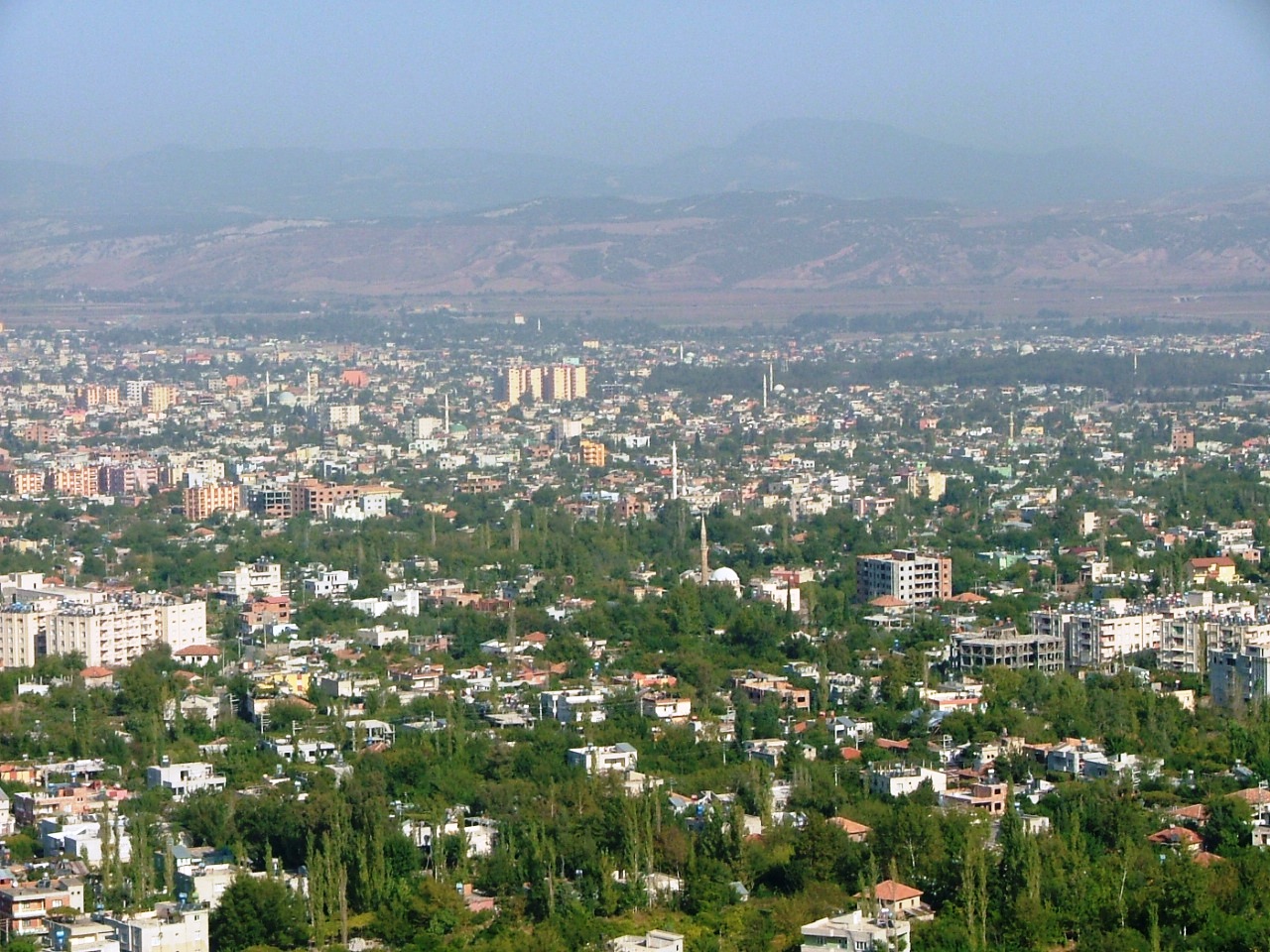
Osmaniye is a compact Mediterranean province whose headline attraction is Karatepe-Aslantaş — a Late Bronze Age fortress city with extraordinary carved orthostats and a bilingual Phoenician-Luwian inscription that was key to deciphering Luwian hieroglyphs, preserved in a shaded outdoor museum by the Ceyhan reservoir.
Toprakkale (Black Snake Castle) and the Bahçe highland plateau offer additional historical and natural interest in a province otherwise little visited by international tourists.
Known for: Karatepe-Aslantaş museum · Hittite & Phoenician inscriptions · Düziçi plateau · Ceyhan River · Toprakkale
- Region
- Mediterranean
- Famous for
- Karatepe open-air museum
- Best seasons
- Mar–Jun, Sep–Nov
- Site
- Bilingual Phoenician-Hittite stele
Osmaniye on the live map
Explore Osmaniye and all of Turkey on the live intelligence map — tap a city node to fly in.
What Osmaniye is known for
Karatepe is unique: a Late Hittite fortress whose carved stone lions, sphinxes and narrative relief panels stand in situ in an outdoor pine-forest museum above the artificial Aslantaş Lake. The bilingual Phoenician-Hieroglyphic Luwian inscription found here (1946) was crucial to linguistic scholarship.
- Karatepe-Aslantaş — in-situ Late Hittite orthostat carvings.
- Bilingual inscription site — key to deciphering Luwian hieroglyphs.
- Toprakkale (Yılan Kalesi) — medieval mountain castle.
- Bahçe and Düziçi highland plateaus.
Getting around
Osmaniye is 1 hour from Adana by road. Karatepe is 50 km northeast; a car is needed. Access is easiest when combined with Adana or Hatay.
On the platform
Osmaniye is joining Türkiye Gez as we expand into a Turkey-wide city intelligence platform. This guide is the launch foundation — live transport data, an interactive map and deeper neighborhood content roll out city by city, on the same architecture that powers Istanbul today.
Frequently asked questions
About Osmaniye
1The Karatepe-Aslantaş open-air museum — an in-situ Late Hittite fortress with carved reliefs and a bilingual inscription key to ancient linguistics.